
Madhur Sangrah - Where Paper Meets Pixel

दिनांक 20 अप्रैल 2026 दिन सोमवार विक्रम संवत् 2083 वैशाख शुक्ल पक्ष तृतीया (अक्षय तृतीया) की हार्दिक शुभकामनाएं!**यह साइट अभी निर्माणाधीन है!**
दिनांक 20 अप्रैल 2026 दिन सोमवार विक्रम संवत् 2083 वैशाख शुक्ल पक्ष तृतीया (अक्षय तृतीया) की हार्दिक शुभकामनाएं!**यह साइट अभी निर्माणाधीन है!**
Translate
ACK-SPL-E-Women In Power
Saturday, 21/03/2026 07:10 PM
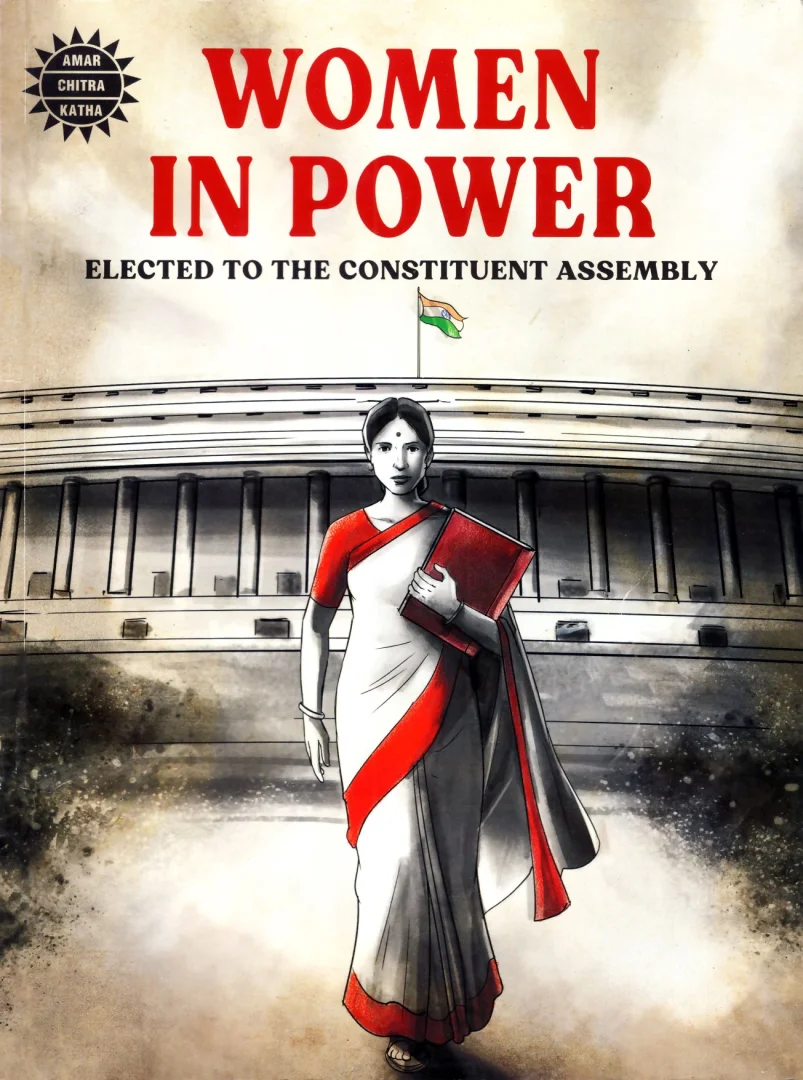
ACK-SPL-E-Women In Power
Women in Power
Elected to the Constituent Assembly
 The path to India's independence was long and hard. Our freedom fighters had to brave countless sacrifices and negotiations before their dream could become reality. However, simply achieving independence was not the end goal. The leaders of our country wanted to make India a strong and stable nation that could take its place on the world stage. To this end, 389 brilliant and fearless leaders came together to form the Constituent Assembly, with the aim of drafting independent India's own constitution. The Constituent Assembly was a representative of all the people of our diverse land, with members belonging to all regions, communities and backgrounds, coming together for one purpose.
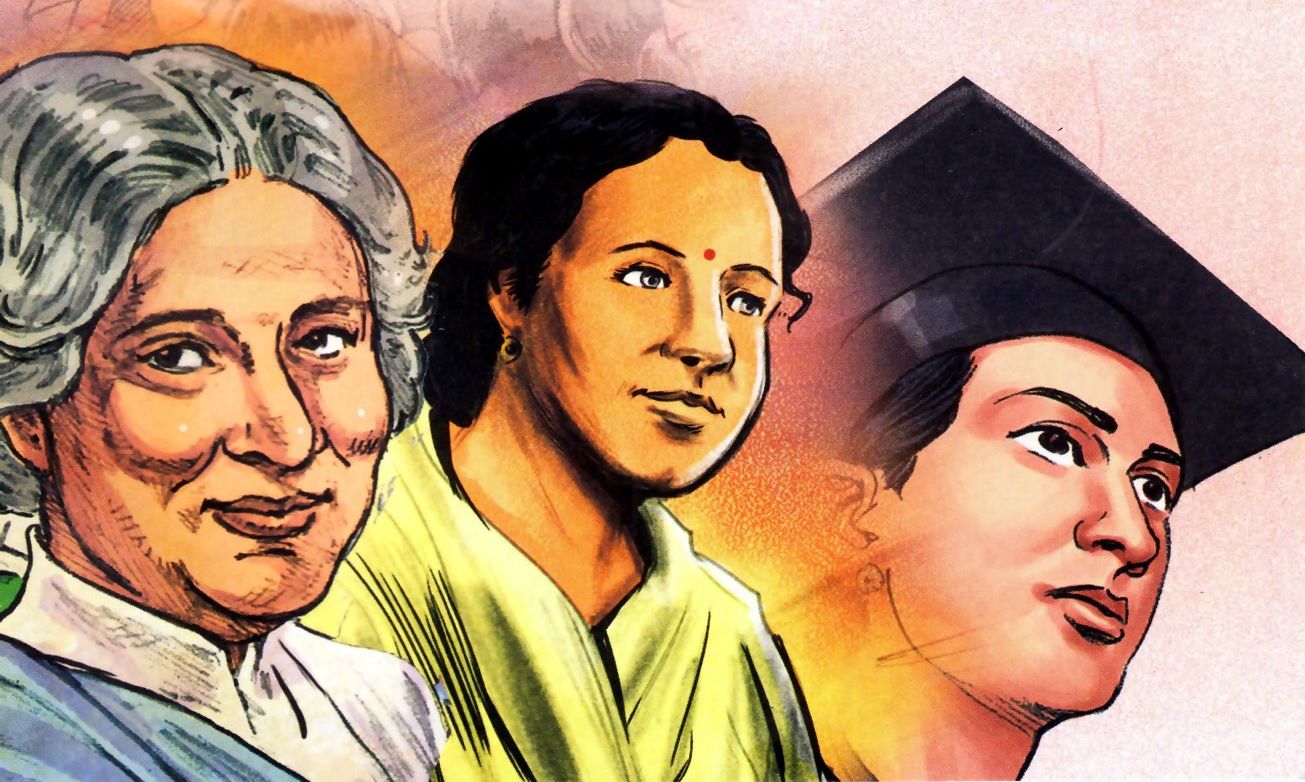
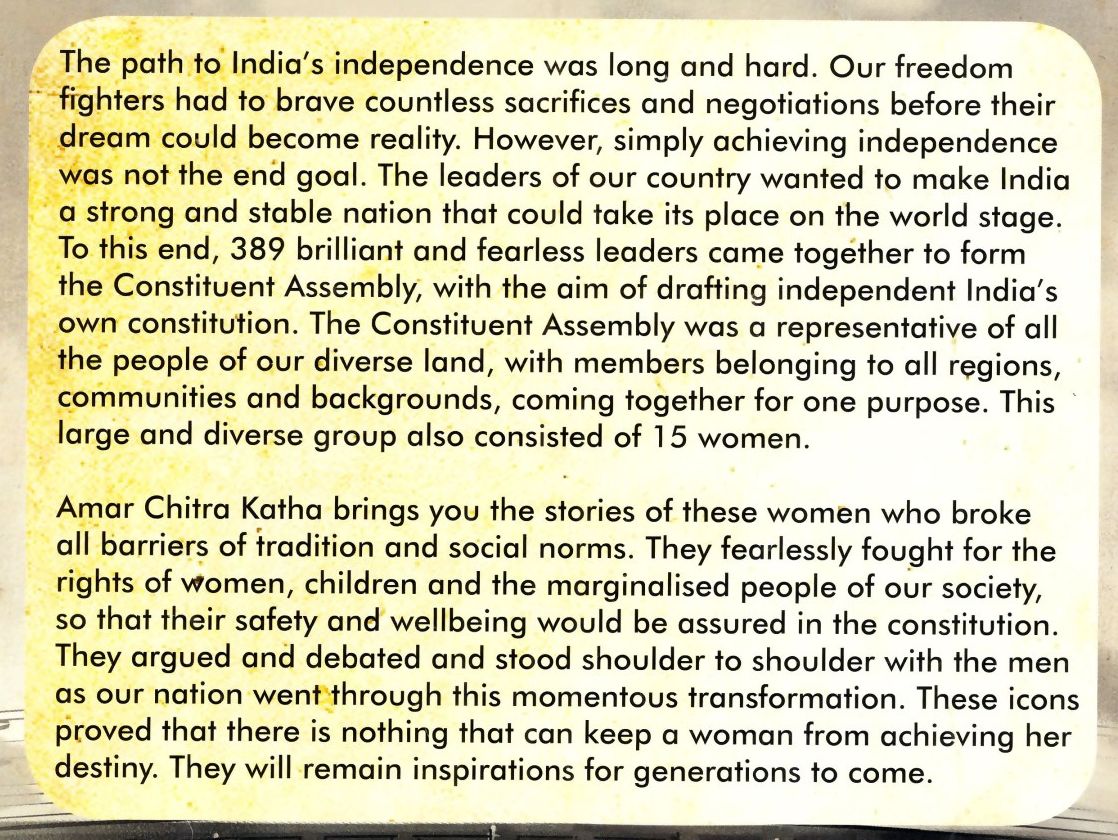 This large and diverse group also consisted of 15 women. Amar Chitra Katha brings you the stories of these women who broke all barriers of tradition and social norms. They fearlessly fought for the rights of women, children and the marginalised people of our society, so that their safety and wellbeing would be assured in the constitution. They argued and debated and stood shoulder to shoulder with the men as our nation went through this momentous transformation. These icons proved that there is nothing that can keep a woman from achieving her destiny. They will remain inspirations for generations to come.
🌸 Women in Power – Elected to the Constituent Assembly
✨ Introduction
 A long time ago, India was ruled by the British for nearly 200 years. After many struggles and sacrifices, India finally became free in 1947. But freedom was just the beginning! The leaders of the country now had an important task—to create rules and laws for a new nation. So, a group of wise and brave people came together to form the Constituent Assembly, which would write the Constitution of India. Among them were 15 courageous women who played a very important role. These women were strong, intelligent, and determined to make India a fair and equal country.
 👩⚖️ Brave Women Who Made History
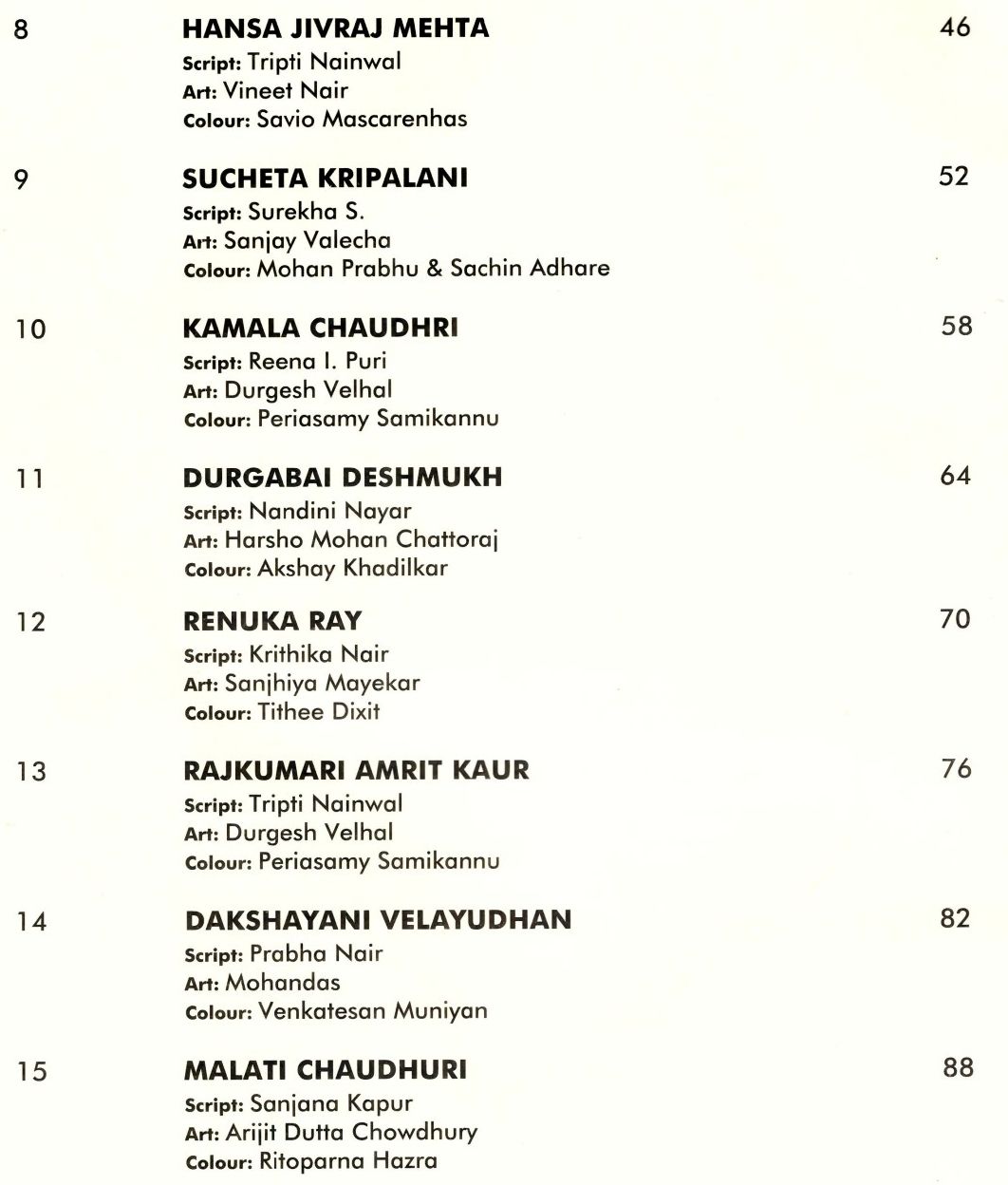
The comic tells us about many inspiring women leaders. Let’s learn about a few of them in simple words:
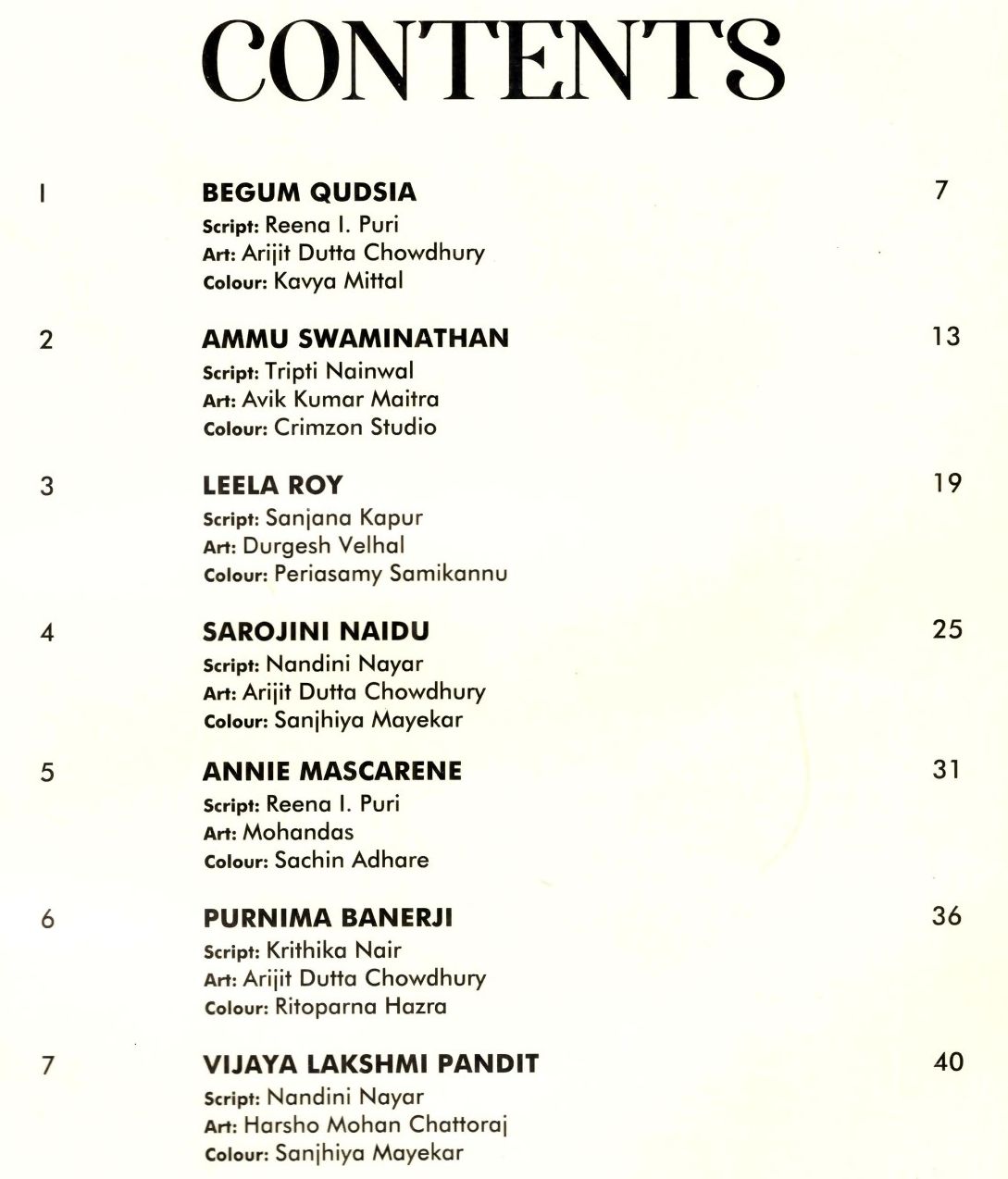
🌼 Begum Qudsia
Begum Qudsia was a bold and kind woman who believed in fairness for all.
- She spoke up against unfair systems like zamindari (landlord rule).
- She worked hard to bring justice and equality.
- In the Assembly, she shared her ideas to help build a better India.
She showed that women can be strong leaders and fight for what is right.
🌼 Ammu Swaminathan
Ammu had a difficult childhood because she was not allowed to study much. But she never gave up!
- She educated herself and became confident.
- She joined the freedom struggle and worked with great leaders.
- She fought for women’s rights and equal opportunities.
She taught us that education and courage can change lives.
🌼 Sarojini Naidu
Sarojini Naidu was known as the “Nightingale of India” because she was a wonderful poet.
- She was also a great leader in the freedom movement.
- She inspired people with her speeches and poems.
- She believed in unity and equality for all.
🌼 Hansa Mehta
Hansa Mehta worked for women’s rights and education.
- She helped make sure women were treated equally in laws.
- She believed girls should get the same opportunities as boys.
🌼 Dakshayani Velayudhan
Dakshayani was very brave and stood against discrimination.
- She spoke for people who were treated unfairly in society.
- She believed everyone deserves respect and dignity.
🏛️ Their Role in the Constitution
T he Constitution is a very important document. It gives us rights like:
- Freedom
- Equality
- Justice
These women helped shape these ideas. They discussed, debated, and worked hard so that every Indian could live with dignity and respect.
💪 What We Learn from Them
These women teach us many important lessons:
- 🌟 Be brave and speak up for what is right
- 📚 Education is powerful
- 🤝 Treat everyone equally
- 🇮🇳 Work for your country and help others
Even when things were difficult, they never gave up!
🌈 Conclusion
The story of Women in Power is not just about the past—it is a lesson for all of us. These women proved that courage, determination, and kindness can change the world.
They helped build the India we live in today. And just like them, you too can dream big and make a difference! ✨
✨ India's Constituent Assembly
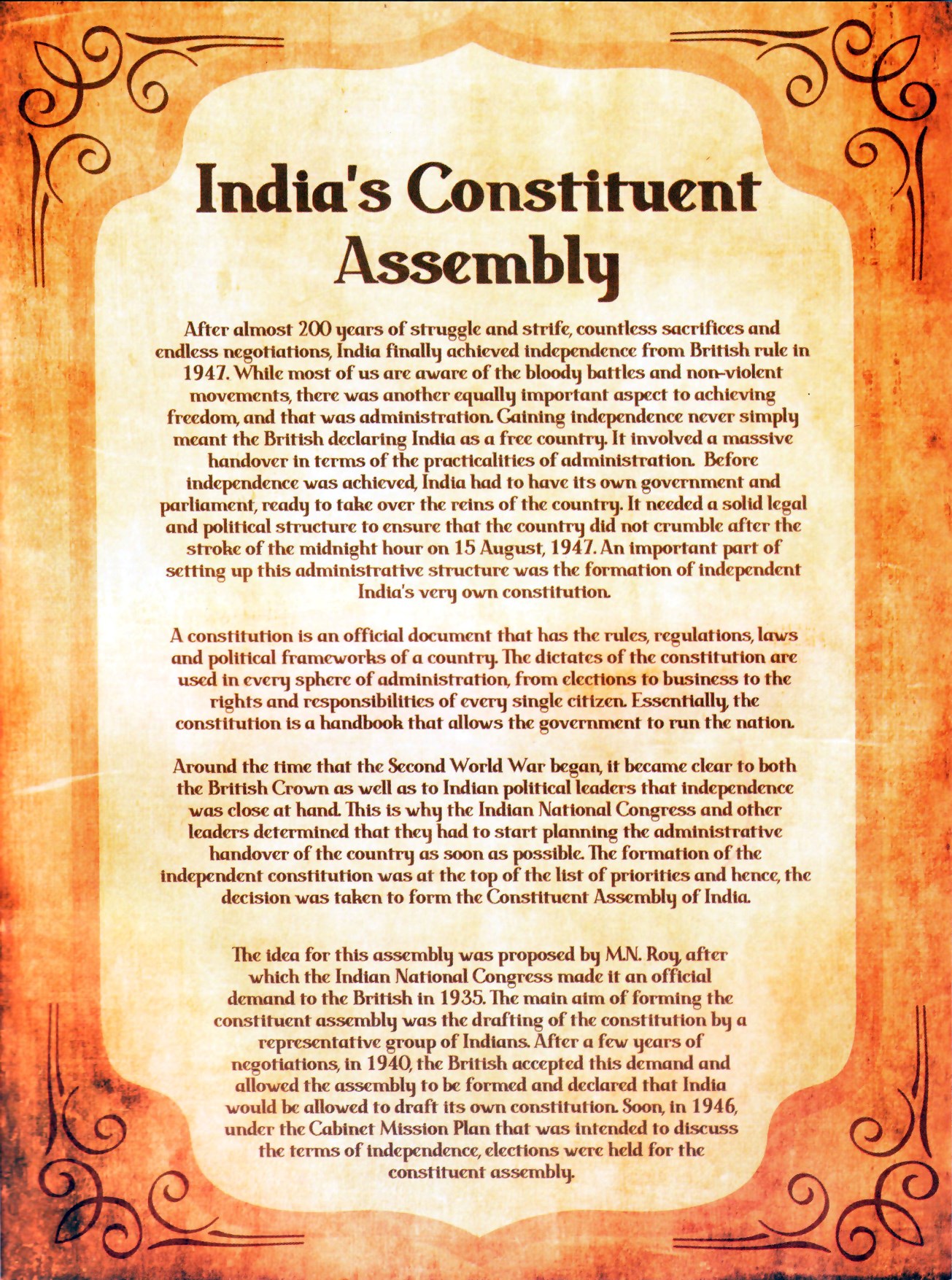 After almost 200 years of struggle and strife, countless sacrifices and endless negotiations, India finally achieved independence from British rule in 1947. While most of us are aware of the bloody battles and non-violent movements, there was another equally important aspect to achieving freedom, and that was administration. Gaining independence never simply meant the British declaring India as a free country. It involved a massive handover in terms of the practicalities of administration. Before independence was achieved, India had to have its own government and parliament, ready to take over the reins of the country. It needed a solid legal and political structure to ensure that the country did not crumble after the stroke of the midnight hour on 15 August, 1947. An important part of setting up this administrative structure was the formation of independent India's very own constitution.
A constitution is an official document that has the rules, regulations, laws and political frameworks of a country. The dictates of the constitution are used in every sphere of administration, from elections to business to the rights and responsibilities of every single citizen. Essentially, the constitution is a handbook that allows the government to run the nation.
Around the time that the Second World War began, it became clear to both the British Crown as well as to Indian political leaders that independence was close at hand. This is why the Indian National Congress and other leaders determined that they had to start planning the administrative handover of the country as soon as possible. The formation of the independent constitution was at the top of the list of priorities and hence, the decision was taken to form the Constituent Assembly of India.
The idea for this assembly was proposed by M.N. Roy after which the Indian National Congress made it an official demand to the British in 1935. The main aim of forming the constituent assembly was the drafting of the constitution by a representative group of Indians. After a few years of negotiations, in 1940, the British accepted this demand and allowed the assembly to be formed and declared that India would be allowed to draft its own constitution. Soon, in 1946, under the Cabinet Mission Plan that was intended to discuss the terms of independence, elections were held for the constituent assembly.
There were originally 389 members in the assembly elected by provincial assemblies, with representatives from all minorities and communities. Post independence, when the state of Pakistan was created, some members of the assembly left and there was a reorganisation of the members. After this change, there were 299 members in the constituent assembly. Since the Indian National Congress was the dominant political force at the time, a majority of the members were from this party. However, there were a lot of efforts undertaken to make the assembly as inclusive as possible, with special seats being reserved for Sikh, Christian and Muslim members. Similarly, women, activists from a broad political spectrum, industrialists, intellectuals, delegations from all provinces and princely states ensured that there was appropriate representation.
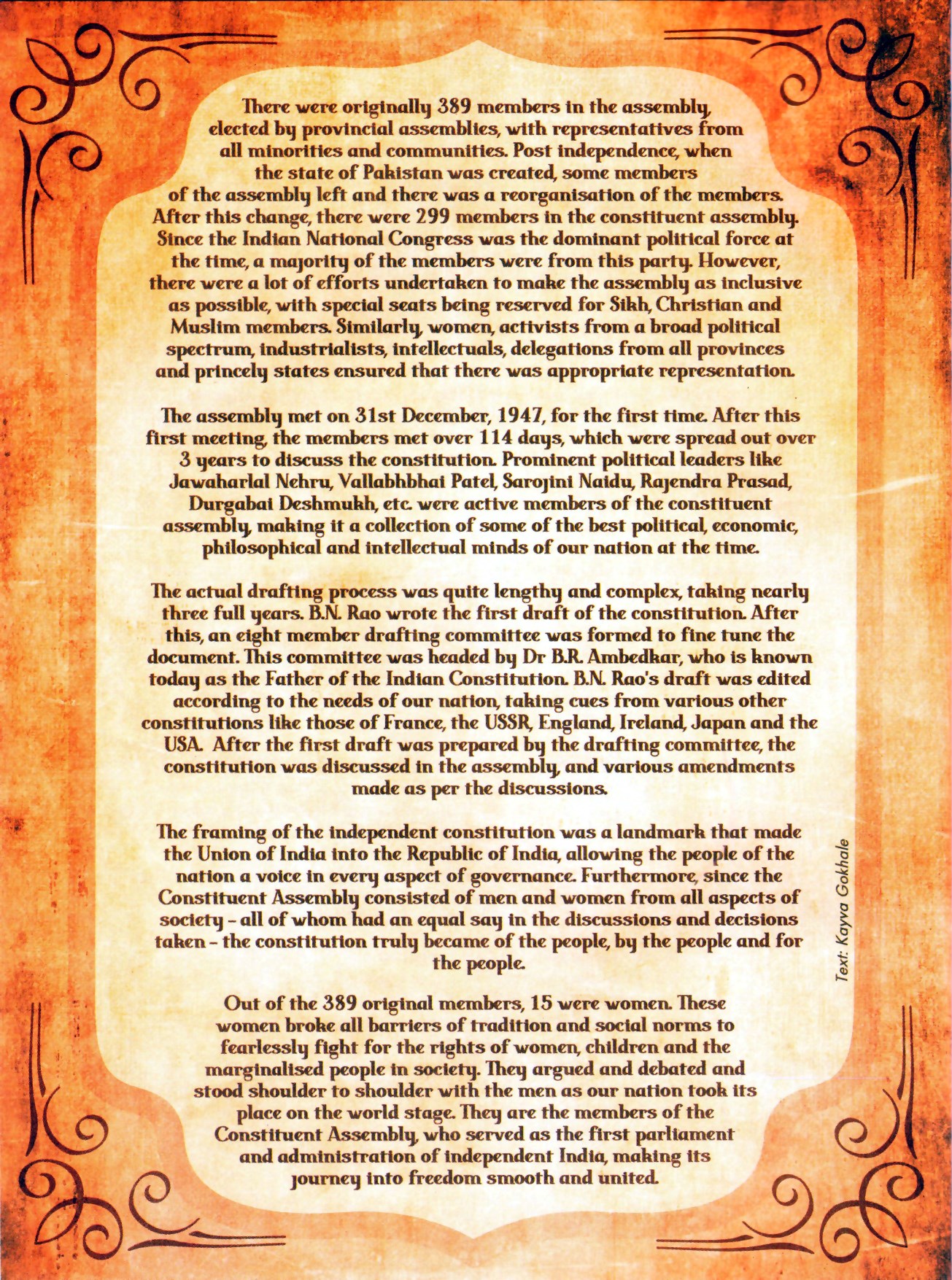 The assembly met on 31st December, 1947, for the first time. After this first meeting, the members met over 114 days, which were spread out over 3 years to discuss the constitution. Prominent political leaders like Jawaharlal Nehru, Vallabhbhai Patel, Sarojini Naidu, Rajendra Prasad, Durgabai Deshmukh, etc. were active members of the constituent assembly, making it a collection of some of the best political, economic, philosophical and intellectual minds of our nation at the time.
The actual drafting process was quite lengthy and complex, taking nearly three full years. B.N. Rao wrote the first draft of the constitution. After this, an eight member drafting committee was formed to fine tune the document. This committee was headed by Dr B.R. Ambedkar, who is known today as the Father of the Indian Constitution. B.N. Rao's draft was edited according to the needs of our nation, taking cues from various other constitutions like those of France, the USSR, England, Ireland, Japan and the USA. After the first draft was prepared by the drafting committee, the constitution was discussed in the assembly, and various amendments made as per the discussions.
The framing of the independent constitution was a landmark that made the Union of India into the Republic of India, allowing the people of the nation a voice in every aspect of governance. Furthermore, since the Constituent Assembly consisted of men and women from all aspects of society - all of whom had an equal say in the discussions and decisions taken- the constitution truly became of the people, by the people and for the people.
Out of the 389 original members, 15 were women. These women broke all barriers of tradition and social norms to fearlessly fight for the rights of women, children and the marginalised people in society. They argued and debated and stood shoulder to shoulder with the men as our nation took its place on the world stage. They are the members of the Constituent Assembly, who served as the first parliament and administration of independent India, making its Journey into freedom smooth and united.
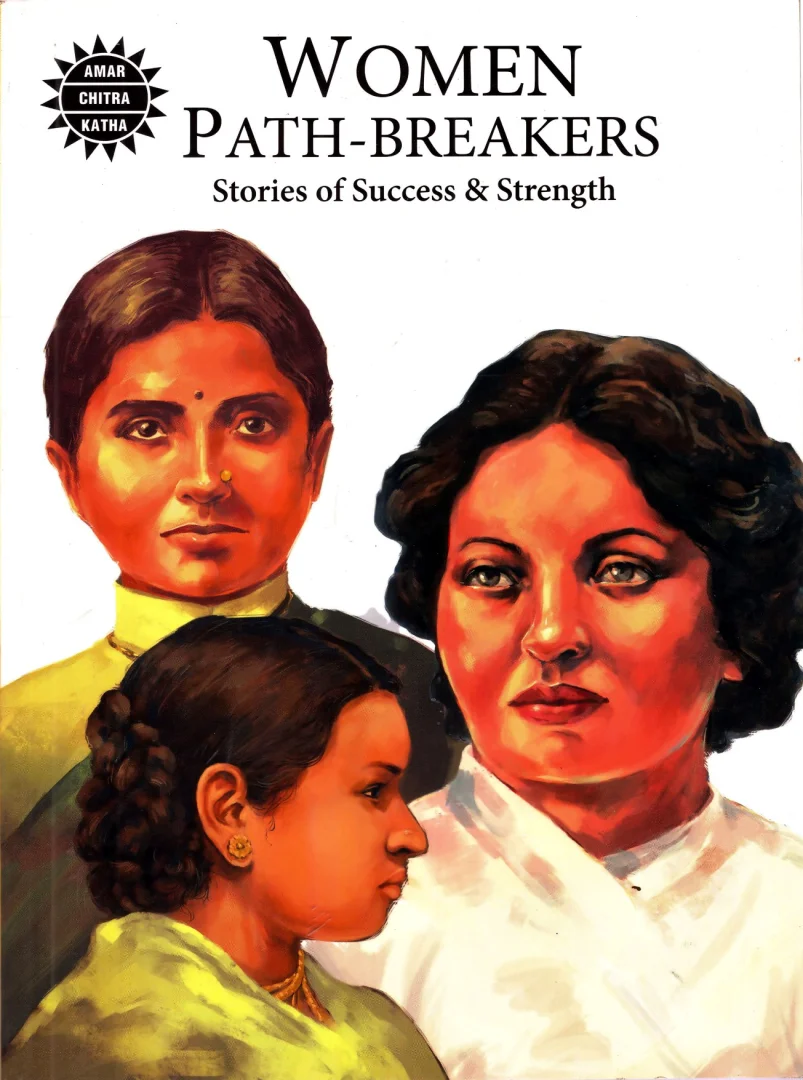
- Title : Women Path Breakers
- Category : Visionaries
- Volume/Serial : SPL
- Total Pages : 116
- Script : English
- First Published : December 2019
- Publisher : Amar Chitra Katha
Leave a Reply